

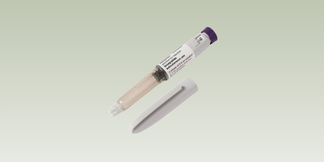

The Truth About Mounjaro Side Effects
Mounjaro has quickly become one of the most talked-about weight loss medications in the UK. Known medically as tirzepatide, it has helped many people achieve significant weight loss by reducing appetite, controlling cravings, and helping them maintain a calorie deficit more easily.
However, as its popularity has grown, so have questions about its side effects.
Social media is full of stories ranging from mild nausea to dramatic claims about severe reactions. This has left many people wondering whether Mounjaro side effects are something they should genuinely worry about or simply a normal part of the treatment process.
The truth lies somewhere in the middle. While side effects are common, most are mild, temporary, and manageable. Understanding what to expect can help you feel more confident about your treatment and avoid unnecessary anxiety. (Mounjaro)
Why Does Mounjaro Cause Side Effects?
Mounjaro works by mimicking hormones involved in appetite regulation and digestion. These hormones help you feel fuller for longer, reduce hunger, and slow the rate at which food leaves your stomach.
While this is one of the reasons the medication can be so effective for weight loss, it’s also why many side effects are related to the digestive system. As your body adjusts to these changes, symptoms such as nausea, bloating, constipation, and diarrhoea can occur. (Cleveland Clinic)
For most people, these effects are strongest when first starting treatment or when moving up to a higher dose.
The Most Common Mounjaro Side Effects
If you’ve researched Mounjaro online, you’ve probably come across a long list of potential side effects. In reality, most people experience a relatively small number of common digestive symptoms.
Nausea is often the most frequently reported side effect. Many users describe feeling mildly queasy during the first few days after an injection, particularly when beginning treatment. Diarrhoea, constipation, indigestion, stomach discomfort, vomiting, reduced appetite, and bloating are also commonly reported. These symptoms occur because the medication changes how quickly the digestive system processes food. (Mounjaro)
Although these side effects can be unpleasant, they are usually temporary and often improve as the body becomes accustomed to the medication. (WebMD)
Are Mounjaro Side Effects as Bad as People Say?
One of the biggest misconceptions about Mounjaro is that everyone experiences severe side effects.
This simply isn’t true.
People who have a difficult experience are often more likely to share their stories online than those who experience minimal symptoms. As a result, social media can sometimes create a distorted picture of what most patients actually experience.
Clinical data and patient information consistently show that the majority of side effects are mild to moderate and tend to improve over time. Many people report that symptoms are most noticeable during the first few weeks of treatment and become easier to manage as they continue. (Asda Online Doctor)
That doesn’t mean side effects should be ignored, but it does mean that horror stories rarely reflect the typical patient experience.
How Long Do Mounjaro Side Effects Last?
This is one of the most common questions asked by people considering treatment.
For many users, side effects begin shortly after starting Mounjaro or following a dose increase. The good news is that symptoms often improve within a few days to a few weeks as the body adapts. (Asda Online Doctor)
The gradual dosing schedule used with Mounjaro is specifically designed to minimise side effects. By slowly increasing the dose over time, the digestive system has a chance to adjust rather than being overwhelmed by a sudden change.
Some people may experience occasional symptoms throughout treatment, but persistent severe side effects are less common.
Can Mounjaro Cause Hair Loss?
Hair loss has become a widely discussed topic among Mounjaro users.
While some people report noticing increased hair shedding during treatment, experts believe this is often linked to rapid weight loss rather than the medication itself. Significant weight loss can place temporary stress on the body, leading to a condition known as telogen effluvium, where more hairs than usual enter the shedding phase. (Asda Online Doctor)
The reassuring news is that this type of hair loss is often temporary, and normal hair growth usually resumes once the body stabilises.
What About Sulphur Burps, Bloating and Digestive Issues?
One side effect that has gained surprising attention online is the phenomenon often referred to as “sulphur burps” or “egg burps.”
These occur because Mounjaro slows digestion, which can sometimes increase gas production in the digestive tract. Some users also report bloating, excessive burping, reflux, or feelings of fullness after eating relatively small meals. (Asda Online Doctor)
Although these symptoms can be uncomfortable, they are generally not dangerous and often improve when patients adjust meal sizes, avoid overeating, and stay hydrated.
Are There Any Serious Mounjaro Side Effects?
While most side effects are mild, there are some rare but more serious risks that patients should be aware of.
Healthcare professionals advise seeking medical attention if you experience severe abdominal pain, symptoms of pancreatitis, gallbladder problems, severe allergic reactions, or signs of dehydration caused by persistent vomiting or diarrhoea. Regulatory guidance also highlights rare risks including pancreatitis, gallstone disease, and serious allergic reactions. (BNF)
It’s important to emphasise that these complications are uncommon. Millions of people worldwide use GLP-1 and related medications safely under appropriate medical supervision. (The Guardian)
How Can You Reduce Mounjaro Side Effects?
Many people find that simple lifestyle adjustments can make a significant difference.
Eating smaller meals, avoiding greasy or highly processed foods, drinking plenty of water, and eating slowly can all help reduce digestive discomfort. Staying consistent with injection days and following the recommended dose escalation schedule may also improve tolerability. (Asda Online Doctor)
Patients who experience significant symptoms should always speak with their prescriber before making any changes to their treatment plan.
Should Side Effects Stop You From Taking Mounjaro?
For most people, the answer is no.
Like many medications, Mounjaro comes with potential side effects. However, the majority of users experience manageable symptoms that improve over time. At the same time, many people achieve meaningful weight loss and improvements in health markers that can significantly benefit their long-term wellbeing. (Asda Online Doctor)
The key is understanding what is normal, what may require medical advice, and maintaining realistic expectations during the early stages of treatment.
Final Thoughts
The truth about Mounjaro side effects is far less dramatic than many headlines and social media posts suggest.
Yes, side effects are common, particularly digestive symptoms such as nausea, diarrhoea, constipation, and bloating. However, for most people these effects are temporary, manageable, and improve as the body adjusts to treatment. (Mounjaro)
Understanding what to expect can help you approach treatment with confidence and avoid unnecessary concern. If you’re considering Mounjaro, the best source of advice will always be a qualified healthcare professional who can assess your individual circumstances and guide you safely through your weight loss journey.