Why Am I Not Losing Weight Despite Eating Less?
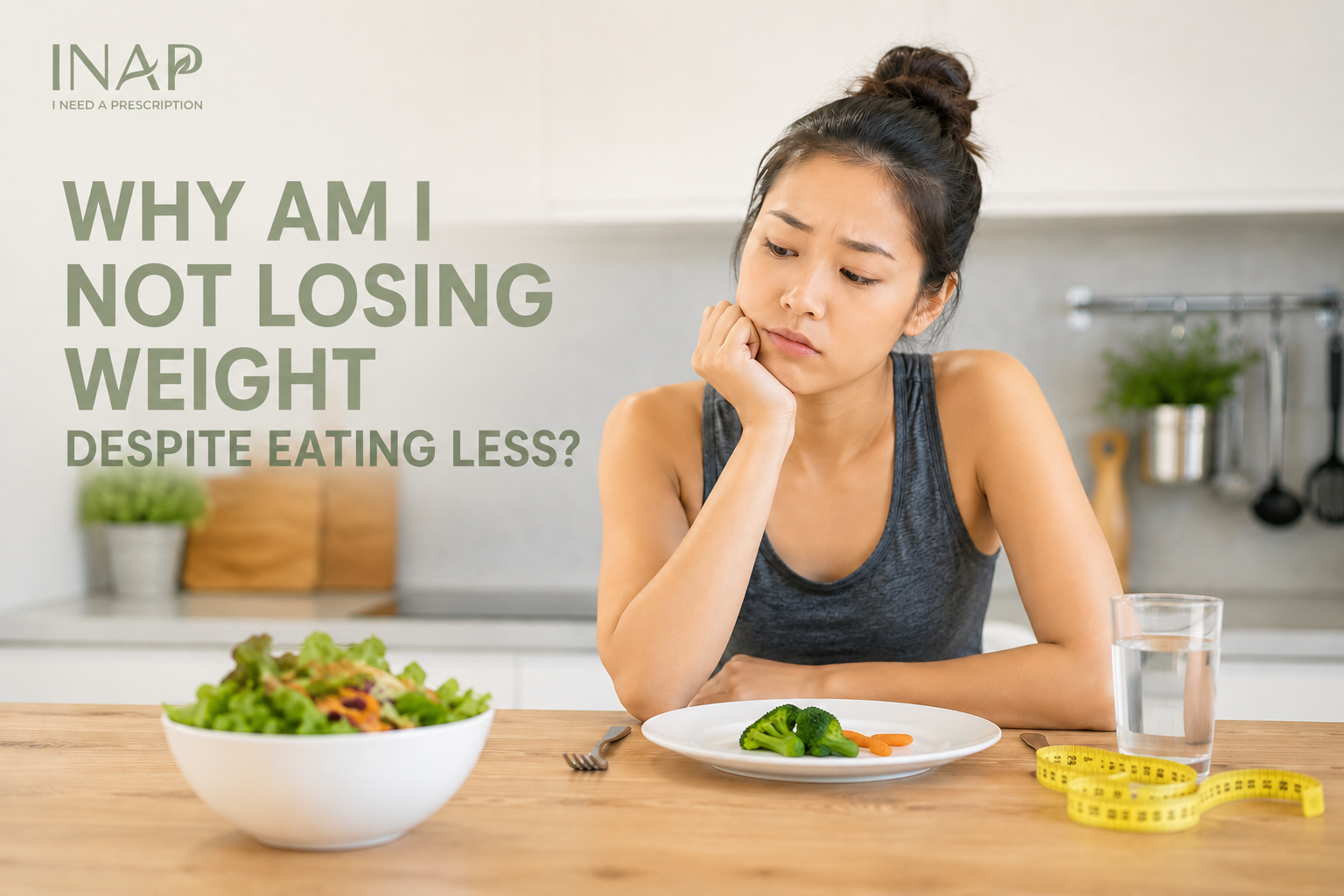
Few things are more frustrating than making a conscious effort to eat less, only to find that the scales refuse to budge. Many people assume that reducing food intake should automatically lead to weight loss, but the reality is often far more complicated. If you’ve been asking yourself, “Why am I not losing weight despite eating less?”, you’re not alone.
Weight loss is influenced by a range of factors beyond calorie intake. While creating a calorie deficit remains an important part of losing weight, things like hormones, sleep quality, stress levels, metabolism, and activity can all affect the results you see. Understanding these factors can help you identify what’s really standing between you and your weight loss goals.
You May Still Be Consuming More Calories Than You Realise
One of the most common reasons people struggle to lose weight is that they unintentionally consume more calories than they think. Even when meals are smaller, hidden calories can quickly add up throughout the day.
A splash of milk in several coffees, cooking oils, sauces, dressings, snacks between meals, and weekend treats may not seem significant individually, but together they can make a substantial difference. Many people who begin tracking their food intake accurately are surprised to discover that their calorie consumption is higher than expected.
This doesn’t mean you’re doing anything wrong. It’s simply a reminder that calorie awareness is often more challenging than it appears.
Your Metabolism Has Adapted
When you consistently eat fewer calories, your body naturally adapts. This process, often referred to as metabolic adaptation, is one of the body’s ways of protecting itself from perceived food shortages.
As you lose weight, your body requires fewer calories to function than it did when you were heavier. This means that the calorie deficit that initially produced results may no longer be enough to continue driving weight loss at the same rate.
Many people experience this as a weight loss plateau. While frustrating, it’s a completely normal part of the journey and doesn’t mean your efforts have stopped working.
Water Retention Can Mask Fat Loss
The number on the scales doesn’t always reflect what’s happening inside your body. It’s possible to lose body fat while retaining water, which can temporarily hide your progress.
Water retention can occur for several reasons, including stress, high salt intake, hormonal fluctuations, poor sleep, certain medications, and even increased exercise levels. If you’ve recently started exercising more intensely, your muscles may retain additional water as part of the recovery process.
This is why weight can fluctuate significantly from day to day. Looking at longer-term trends often provides a more accurate picture of your progress than focusing on daily weigh-ins.
You’re Building Muscle at the Same Time
If you’ve introduced strength training into your routine, the scales may not tell the full story. Muscle tissue is denser than fat, which means you can lose fat while gaining muscle and see little change in overall body weight.
This phenomenon is particularly common in people who are new to resistance training. Although the scales may appear stubborn, changes in body composition can often be seen through improved muscle tone, smaller waist measurements, and better-fitting clothes.
For this reason, weight should never be the only measure of progress.
Lack of Sleep Could Be Affecting Your Results
Sleep is one of the most overlooked factors in successful weight management. Poor sleep can disrupt the hormones responsible for regulating hunger and fullness, leading to increased cravings and a greater desire for high-calorie foods.
Research has consistently linked inadequate sleep with weight gain and difficulty losing weight. People who don’t get enough rest often feel more tired, less motivated to exercise, and more likely to make impulsive food choices throughout the day.
Improving sleep quality may not seem like a weight loss strategy, but it can have a surprisingly powerful effect on long-term results.
Stress Can Make Weight Loss More Challenging
Modern lifestyles often involve high levels of stress, and this can directly influence body weight. When stress levels rise, the body produces more cortisol, a hormone associated with the body’s fight-or-flight response.
Elevated cortisol levels have been linked to increased appetite, stronger cravings for sugary foods, and greater fat storage around the abdominal area. Stress can also contribute to emotional eating, making it harder to maintain healthy habits consistently.
Managing stress through exercise, mindfulness, relaxation techniques, or enjoyable hobbies can play an important role in supporting weight loss.
Hormonal and Medical Conditions May Be Involved
Sometimes, the reason you’re not losing weight despite eating less has little to do with your effort levels. Certain medical conditions can make weight loss more difficult by affecting metabolism, appetite, or hormone balance.
Conditions such as hypothyroidism, polycystic ovary syndrome (PCOS), insulin resistance, and type 2 diabetes can all influence body weight. If you’ve been consistently following a healthy eating plan and staying active without seeing results, it may be worth discussing your concerns with a healthcare professional.
Identifying and treating an underlying issue can often make a significant difference.
You May Be Moving Less Than Before
When calorie intake decreases, the body sometimes responds by conserving energy. This can lead to subtle reductions in everyday movement that often go unnoticed.
You may walk slightly less, spend more time sitting, or simply feel less energetic throughout the day. While these changes seem small, they can affect the number of calories you burn and reduce the size of your calorie deficit.
Maintaining an active lifestyle remains an important part of successful weight management, even if structured exercise isn’t possible every day.
Weight Loss Takes Longer Than Many People Expect
One of the biggest challenges with weight loss is managing expectations. Social media often showcases dramatic transformations, creating the impression that significant results should happen quickly.
In reality, sustainable weight loss is usually gradual. Healthy progress often occurs over months rather than weeks. Temporary plateaus, water retention, and natural fluctuations are all normal parts of the process.
Consistency tends to deliver better results than perfection. The people who achieve long-term success are often those who continue with healthy habits even when progress feels slow.
Could Weight Loss Medication Help?
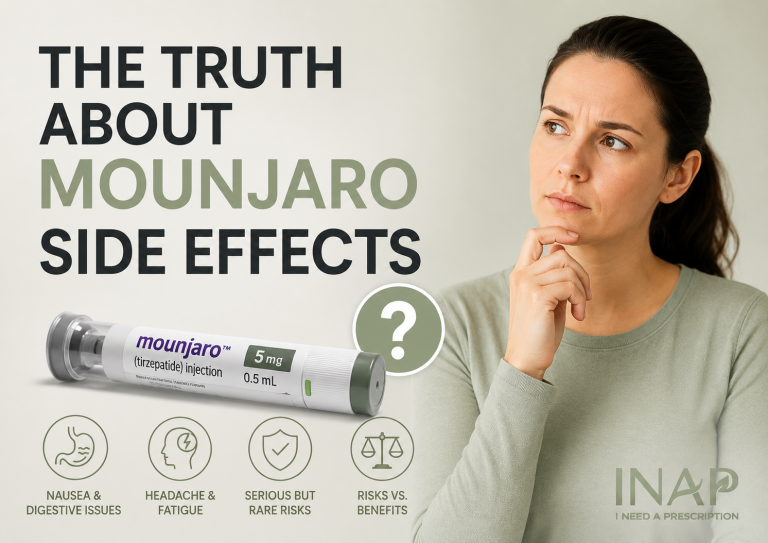
For some individuals, appetite regulation is one of the biggest barriers to weight loss. Prescription treatments such as Mounjaro and Wegovy have become increasingly popular because they help reduce hunger, increase feelings of fullness, and support long-term weight management.
These medications are not a replacement for healthy lifestyle habits, but they can provide valuable support for people who have struggled to achieve meaningful results through diet and exercise alone.
A healthcare professional can assess whether medical weight loss treatment may be appropriate based on your health history, BMI, and personal goals.
Final Thoughts
If you’re eating less but not losing weight, it’s important not to assume your efforts are being wasted. Weight loss is influenced by many factors, and the scales only tell part of the story.
Hidden calories, metabolic adaptation, stress, sleep, hormonal imbalances, water retention, and reduced activity levels can all contribute to slower-than-expected progress. Understanding these influences can help you take a more balanced approach and avoid becoming discouraged.
The key is to focus on sustainable habits, monitor progress over time, and seek professional guidance if you feel something may be preventing you from reaching your goals.